

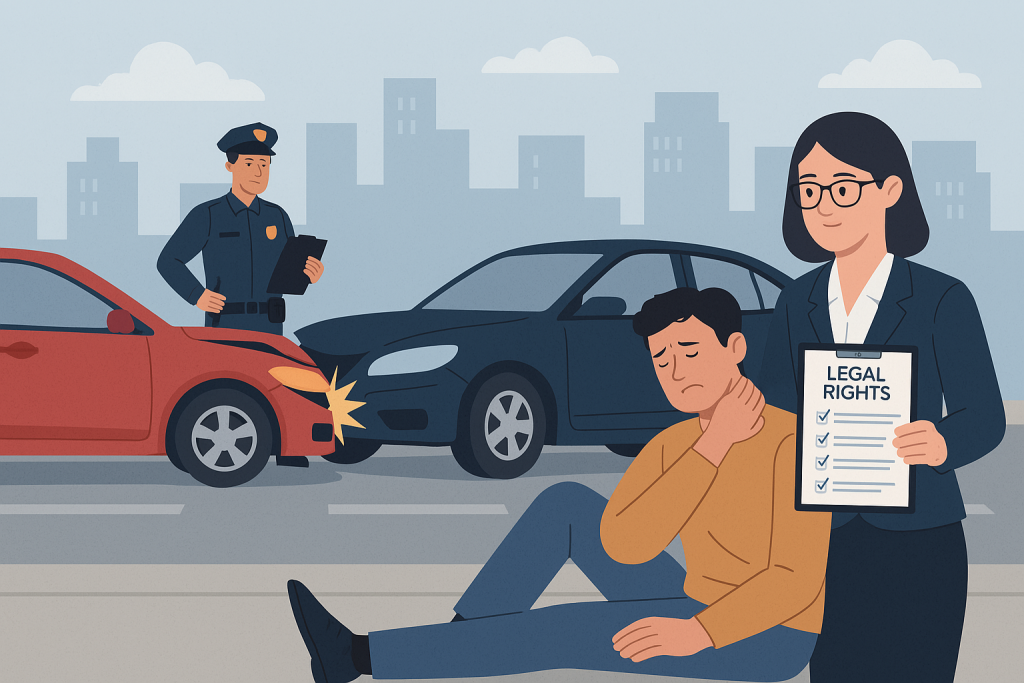
After a car accident, dealing with insurance companies can be overwhelming and confusing. Insurance claims involve detailed paperwork, deadlines, and negotiations that can significantly impact the compensation you receive. While insurers are responsible for paying legitimate claims, their goal is often to minimize payouts. Personal injury attorneys specializing in car accidents guide clients through this complex process, ensuring claims are properly documented, deadlines are met, and fair settlements are pursued. By leveraging legal expertise and technology, attorneys help accident victims navigate insurance claims efficiently while protecting their rights.
The Role of Insurance in Car Accidents
Insurance coverage is a critical factor in the aftermath of a car accident. Policies may include liability, collision, comprehensive, uninsured/underinsured motorist coverage, and personal injury protection. Understanding the scope of your coverage and the obligations of the other party is essential to securing compensation.
Attorneys review insurance policies to identify potential benefits, limitations, and exclusions. They advise clients on the documentation needed to support claims and help calculate damages in a way that ensures fair consideration by the insurance company. Digital tools enable attorneys to organize claims, maintain records of correspondence, and track payments efficiently.
Common Challenges in Filing Claims
Insurance claims often present challenges that can delay or reduce compensation. Common issues include disputes over fault, delays in investigation, underpayment of damages, and denial of claims. Insurers may also attempt to use statements or minor inconsistencies to reduce liability.
Personal injury attorneys anticipate these challenges and develop strategies to address them. They communicate directly with insurance adjusters, gather supporting evidence, and negotiate on behalf of clients to secure appropriate settlements. Technology assists by providing secure platforms for sharing evidence, tracking claim progress, and maintaining a detailed audit trail of communications.
Gathering Evidence for Insurance Claims
Strong evidence is essential to support a personal injury claim. Relevant evidence may include police reports, photographs of the accident scene, medical records, witness statements, and vehicle repair estimates. Proper documentation strengthens the claim and increases the likelihood of fair compensation.
Attorneys coordinate evidence collection, work with medical and accident reconstruction experts, and maintain organized case files. Digital tools help store and manage documents securely, create visual evidence presentations, and track deadlines, making the claims process more efficient and reliable.
Negotiating Settlements with Insurance Companies
Negotiating with insurance companies requires experience, knowledge of personal injury law, and understanding of insurance practices. Attorneys advocate for clients by assessing settlement offers, calculating damages comprehensively, and countering lowball proposals with factual and legal arguments.
Technology enables remote negotiation, electronic document submission, and real-time analysis of offers. By combining legal expertise with digital case management, attorneys can achieve settlements that accurately reflect the full extent of damages and losses suffered by the client.
Handling Disputed Claims
Some insurance claims may be disputed due to disagreements over fault, extent of injuries, or coverage limits. In such cases, personal injury attorneys may recommend formal negotiation, mediation, arbitration, or litigation to resolve the dispute. Legal representation ensures that clients’ rights are protected and that claims are presented effectively in any setting.
Digital platforms facilitate the management of disputed claims by organizing evidence, maintaining secure communication, and providing tools to present complex information clearly to insurers or courts. Proper handling of disputes often results in higher compensation and prevents unfair denials.
Understanding Compensation and Damages
Insurance claims can cover a wide range of damages, including medical expenses, lost wages, property damage, rehabilitation costs, pain and suffering, and future care needs. Accurately quantifying these damages is critical for negotiating fair settlements and avoiding underpayment.
Attorneys collaborate with medical and financial experts to calculate short-term and long-term losses. Technology supports this process through cost-tracking software, digital medical records, and analytical tools to project future care needs or financial impact, ensuring that compensation reflects the true extent of harm.
The Importance of Timely Action
Timely action is essential when filing an insurance claim. Deadlines for reporting accidents, submitting documentation, and responding to insurance inquiries vary by state and policy. Missing these deadlines can jeopardize your claim and limit available remedies.
Personal injury attorneys guide clients in adhering to timelines, submitting accurate documentation, and responding to insurance communications promptly. Digital case management ensures deadlines are tracked, reminders are set, and all necessary paperwork is securely stored, minimizing risk of procedural errors.
FAQs
How long do I have to file an insurance claim after a car accident?
Deadlines vary by state and insurance policy, so it’s important to contact an attorney promptly to ensure timely filing.
Can I negotiate my own insurance settlement?
While possible, insurance companies may undervalue claims. Attorneys negotiate on your behalf to maximize compensation.
What types of damages are covered in a car accident claim?
Damages can include medical expenses, lost wages, property damage, rehabilitation costs, pain and suffering, and future care needs.
What should I do if my claim is denied?
Consult an attorney immediately to review the denial, gather additional evidence, and explore options such as mediation, arbitration, or litigation.
Why is legal representation important in insurance claims?
Attorneys protect your rights, navigate complex insurance practices, calculate damages accurately, and negotiate or litigate to secure fair compensation.
Conclusion
Insurance claims after a car accident can be complex, stressful, and time-sensitive. Personal injury attorneys provide essential guidance, advocating for victims and ensuring that claims are properly documented, submitted, and negotiated. Effective legal representation helps clients obtain fair compensation for medical expenses, lost income, and other damages.
By leveraging modern technology and legal expertise, attorneys streamline communication, manage evidence efficiently, and respond quickly to insurers. With professional guidance, accident victims can focus on recovery while their legal team works to protect their rights and secure the compensation they deserve.
